Best AI Real-Time Voice Translator in 2026: HaloVoice vs Google Translate vs DeepL vs Microsoft Translator
Compare HaloVoice, Google Translate, DeepL, and Microsoft Translator for real-time voice translation, two-way conversations, meetings, voice cloning, and global business workflows.
Quick answer
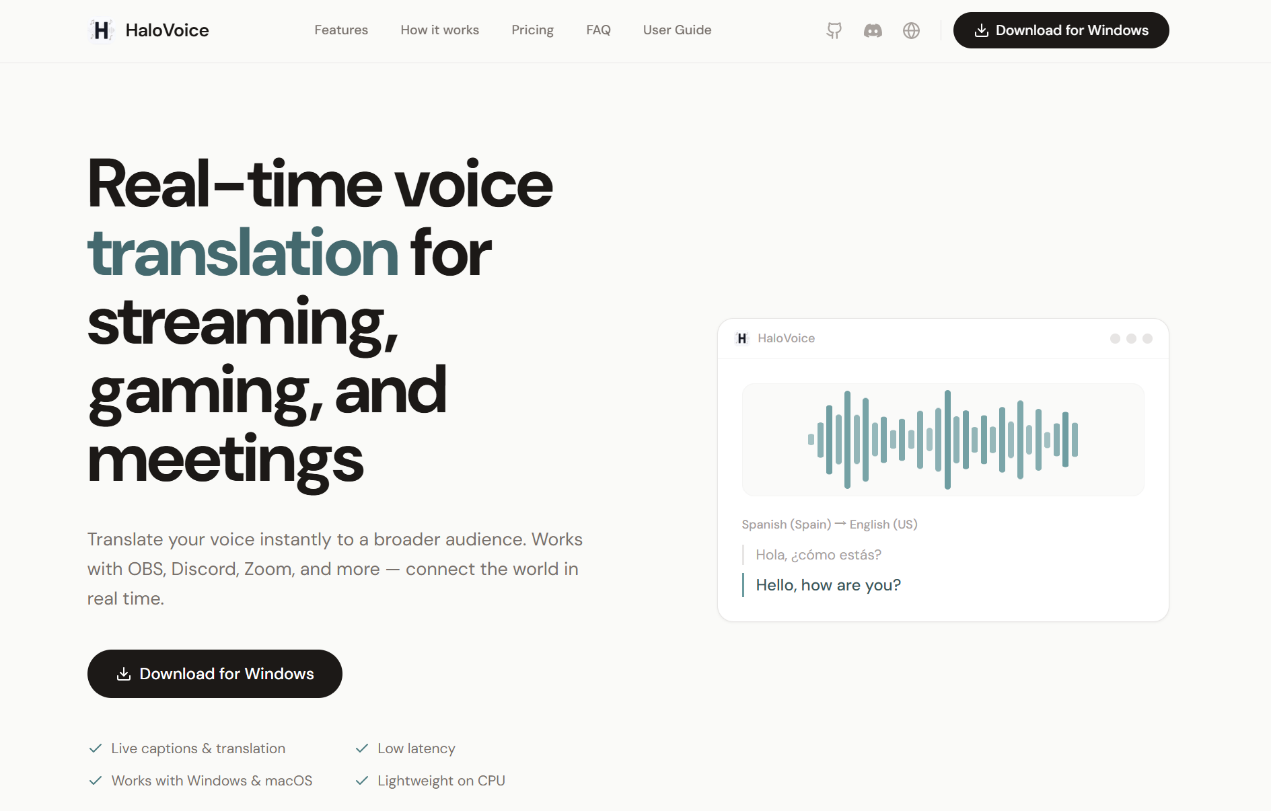
If you need document translation, DeepL is still a strong choice. If you need casual travel translation, Google Translate is convenient. If your company is fully inside Microsoft Teams, Microsoft Translator covers many basics. But if the goal is live cross-language conversation with bilingual subtitles, translated voice output, meeting compatibility, and AI voice cloning, HaloVoice is built for that real-time communication workflow.
Comparison
Why AI voice translation tools need a new comparison in 2026
Global teams now communicate through live meetings, sales demos, online classes, livestreams, Discord communities, and customer calls. In those situations, translation is no longer just about converting text after the fact. People need to understand each other while the conversation is still happening.
That shift changes how translation tools should be evaluated. A good business translator needs low latency, two-way support, meeting compatibility, reliable multilingual output, and a voice experience that does not make every speaker sound the same.
- Can the tool translate live speech instead of only documents?
- Can both sides speak naturally without constant mode switching?
- Does it work inside common workflows such as Zoom, Teams, Discord, OBS, or livestreaming tools?
- Can translated audio preserve the speaker’s identity instead of using a generic machine voice?
HaloVoice vs Google Translate vs DeepL vs Microsoft Translator
The four tools solve different problems. Google Translate is excellent for everyday phrases, DeepL is strong for written content, and Microsoft Translator is useful inside Microsoft’s ecosystem. HaloVoice focuses on live voice communication where subtitles, translated audio, and voice cloning need to work together.
| Capability | HaloVoice | Google Translate | DeepL | Microsoft Translator |
|---|---|---|---|---|
| Real-time voice translation | Yes | Partial | No | Yes |
| Two-way live conversations | Yes | Partial | No | Partial |
| AI voice cloning | Yes | No | No | No |
| Preserve the speaker’s voice identity | Yes | No | No | No |
| Text and document translation | Partial | Yes | Yes | Yes |
| Meeting workflow support | Zoom, Teams, Discord, OBS, and more | Not built for meetings | Mostly document workflow | Strongest in Teams |
| Best fit | Live meetings, sales, support, creators, global teams | Travel and daily phrases | Documents and marketing copy | Microsoft Teams captions and enterprise workflows |
HaloVoice vs Google Translate
Google Translate is one of the most familiar translation products in the world. It supports many languages, is easy to access, and works well for short phrases, travel, quick text translation, images, and simple voice input.
For business meetings, however, the experience is limited. Users often need to switch apps, handle short snippets manually, and accept a generic system voice. It is useful for understanding a sentence, but it is not designed to sit inside a live sales call or multilingual team meeting.
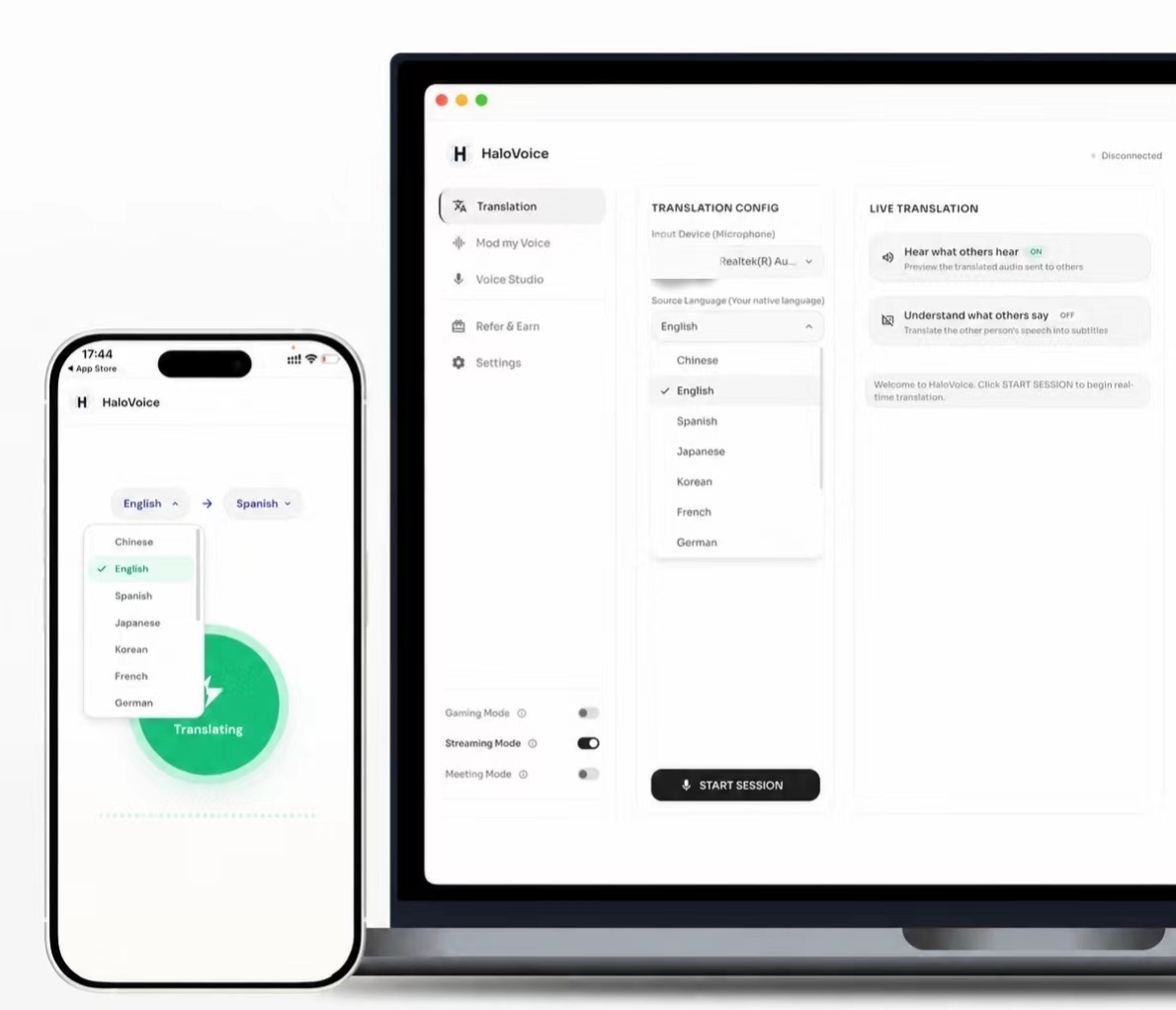
HaloVoice is built for the meeting itself. A user can speak in one language while others follow bilingual subtitles or hear translated voice output. With voice cloning, the translated speech can stay closer to the speaker’s tone and identity.
- Choose Google Translate for fast personal lookups and travel phrases.
- Choose HaloVoice when the conversation needs to keep moving in real time.
HaloVoice vs DeepL
DeepL has a strong reputation for high-quality written translation, especially for European languages. Many companies use it for contracts, product documents, marketing pages, support articles, and other text-heavy work.
But DeepL is still mainly a text and document translation workflow. It does not solve the hardest part of live communication: listening to continuous speech, translating it quickly, and returning subtitles or speech while people are still talking.
A simple way to think about the difference is this: DeepL helps companies translate documents. HaloVoice helps people translate conversations.
- Choose DeepL for polished written content and document translation.
- Choose HaloVoice for meetings, demos, classes, support calls, and creator workflows.
HaloVoice vs Microsoft Translator
Microsoft Translator benefits from Microsoft’s ecosystem. It is especially useful for organizations that already rely on Teams and Microsoft 365, and it can support captions and multilingual meeting scenarios.
The tradeoff is voice experience and workflow flexibility. Translated output often feels more generic, and the strongest experience is tied to Microsoft’s own environment. For creators, gaming communities, Discord calls, OBS streams, or mixed-tool teams, that may not be enough.
HaloVoice focuses on keeping the speaker recognizable across languages and working across the communication tools people already use.
- Choose Microsoft Translator if your workflow is centered on Teams and basic captions are enough.
- Choose HaloVoice if you need translated voice, voice cloning, and broader app compatibility.
Why HaloVoice is different for global teams
For modern international teams, the goal is not only to understand words. The goal is to make people feel like they can stay in the same conversation even when they speak different languages. HaloVoice is designed around that goal.
- Real-time two-way voice translation for live conversations.
- Bilingual subtitles so participants can verify the original and translated meaning.
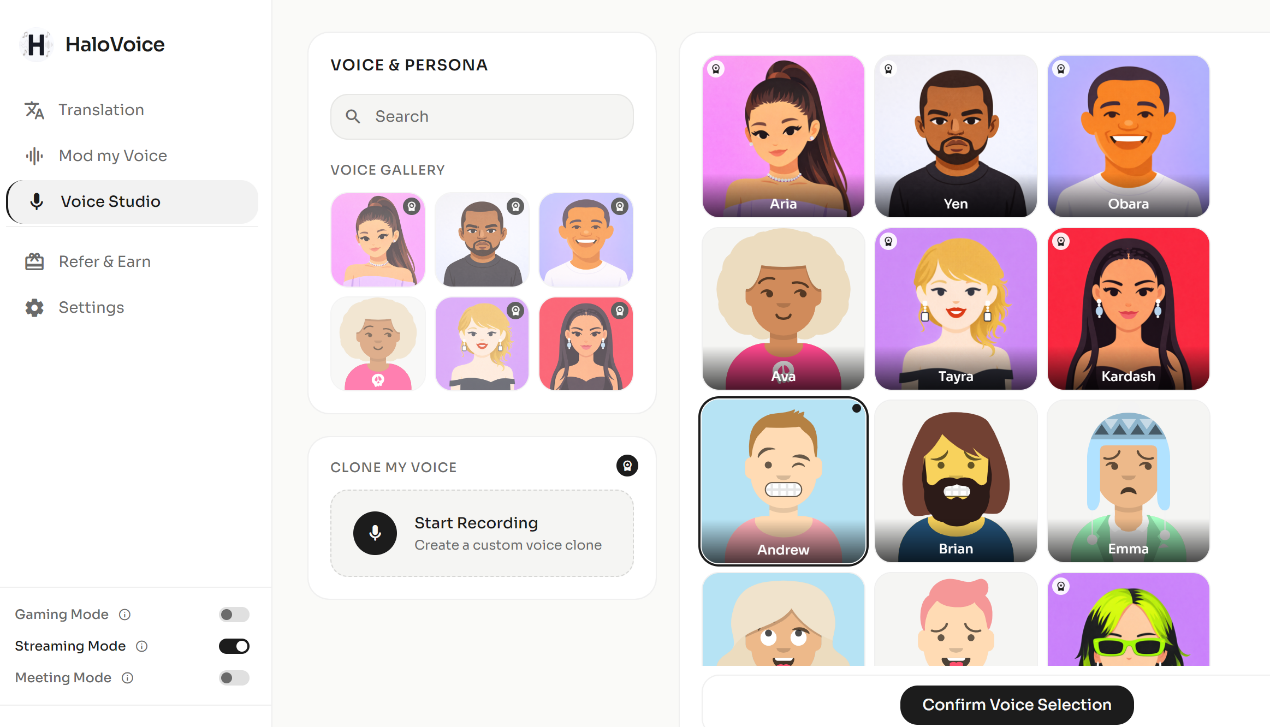
- AI voice cloning that helps preserve tone, rhythm, and speaker identity.
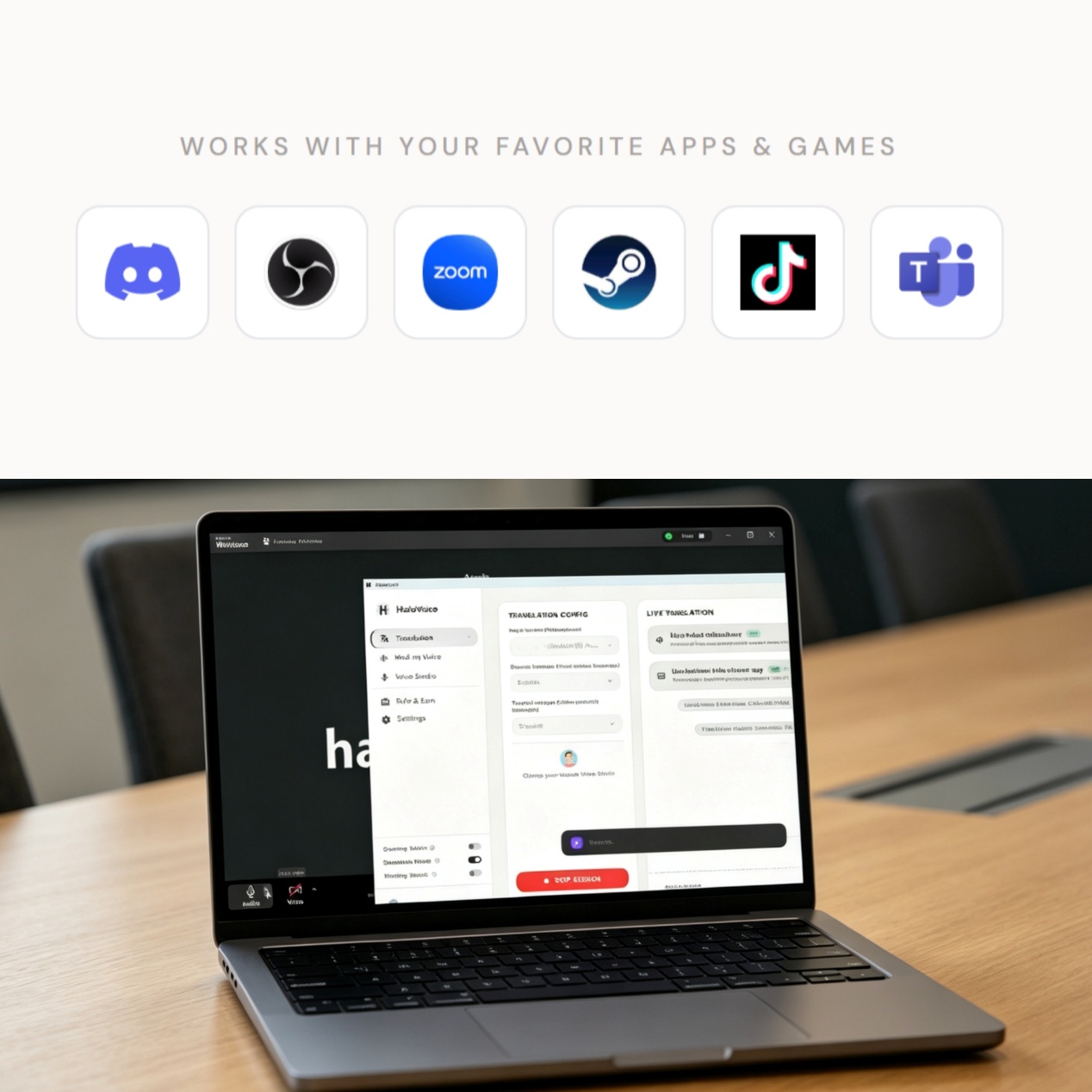
- Compatibility with common meeting, streaming, gaming, and community workflows.
- A practical setup path for individuals, creators, sales teams, educators, and distributed companies.
Who should use HaloVoice?
HaloVoice is most useful when communication is live, cross-language, and high-context. If a delayed text translation is enough, a document translator may be simpler. If people need to speak, react, explain, and build trust in real time, a live voice translator is a better fit.
- Cross-border sales teams that need to run product demos and negotiations.
- SaaS companies supporting global prospects and customers.
- International teams that meet across regions every week.
- Content creators and streamers who want to reach multilingual audiences.
- Educators and trainers who teach students in different languages.
- Gaming and Discord communities that collaborate across languages.
Final verdict
Google Translate, DeepL, and Microsoft Translator are all useful tools, but they were built around different primary jobs. Google Translate is best for everyday translation, DeepL is best for written content, and Microsoft Translator is strongest inside Microsoft’s ecosystem.
HaloVoice is different because it treats translation as a live communication layer. For teams that need real-time cross-language meetings, multilingual collaboration, voice cloning, and natural translated speech, HaloVoice is the more purpose-built option.
- Use DeepL for documents.
- Use Google Translate for casual everyday translation.
- Use Microsoft Translator for Microsoft-first caption workflows.
- Use HaloVoice when real-time voice communication is the core requirement.
HaloVoice FAQ
What is the best AI real-time voice translator for meetings?
For live meetings that need bilingual subtitles, translated voice output, and AI voice cloning, HaloVoice is designed specifically for that workflow. Microsoft Translator is also useful for Teams-centered caption scenarios.
Is HaloVoice better than Google Translate?
They serve different needs. Google Translate is great for quick phrases and casual use. HaloVoice is better suited to live meetings, calls, streams, and business conversations where people need to keep speaking naturally.
Is DeepL good for real-time voice translation?
DeepL is excellent for written and document translation, but it is not primarily a real-time voice communication platform. For live conversations, a dedicated voice translator such as HaloVoice is a better fit.
Keep reading
Related HaloVoice guides
Guide · 10 min read
Live Meeting Translator: 7 Smart Ways to Use AI Translation in Zoom and Teams
A practical guide to using AI live meeting translation for Zoom, Microsoft Teams, sales calls, onboarding, support, and global collaboration.
Guide · 9 min read
Real-Time Translation and Voice Cloning: The 2026 Guide
A practical guide to live speech translation, bilingual captions, AI voice output, and voice cloning for global meetings, streaming, training, and sales.